Introduction
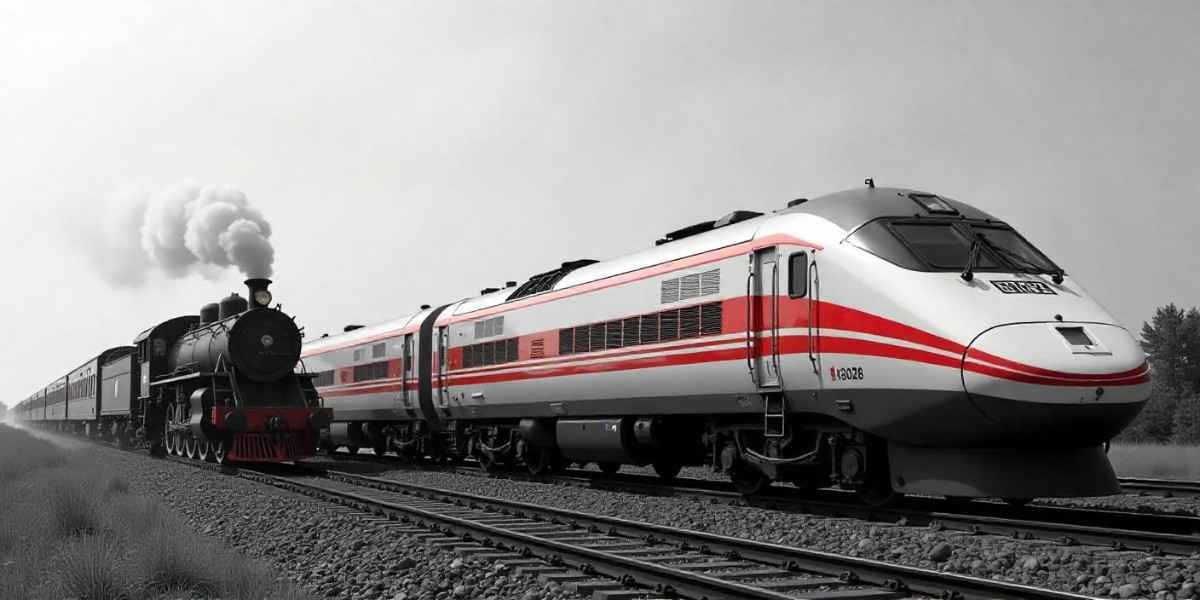
The Indian Railways, one of the largest railway networks in the world, has seen remarkable transformations since its inception in 1853. From steam engines to high-speed bullet trains, the journey of Indian Railways is a testament to technological advancement and infrastructural development.

Early Days: The Era of Steam Engines
- The first railway line in India was introduced on April 16, 1853, between Mumbai and Thane.
- Steam locomotives powered the trains in the early days.
- Expansion of railway lines under British rule for trade and military movement.
Transition to Diesel and Electric Trains
- Post-independence, India focused on modernizing railways with diesel and electric locomotives.
- The introduction of the first electric train, Deccan Queen, in 1929.
- Phasing out steam engines by the late 1980s.
The Rise of High-Speed and Modern Railways
- Introduction of semi-high-speed trains like Gatimaan Express and Vande Bharat Express.
- Plans for India’s first bullet train between Mumbai and Ahmedabad using Japan’s Shinkansen technology.
- Use of AI, IoT, and digital systems for better passenger experiences.
Conclusion
From colonial-era rail transport to futuristic high-speed rail, Indian Railways has come a long way. With upcoming projects and technological advancements, the future of rail transport in India looks promising.